

单排气与双排气挤出机:如何为您的塑料造粒机选择合适的排气系统
在塑料回收和造粒过程中,要实现高颗粒密度、优异的表面光泽度以及稳定的生产,很大程度上取决于挤出机排气系统的设计。选择机器料筒采用单排气口还是多级排气配置,绝非单纯的数字游戏——这是一项关键的工程决策,需要根据具体的聚合物材料和质量要求量身定制。.
单排气与双排气挤出机:如何为您的塑料造粒机选择合适的排气系统 阅读全文 »
在塑料回收和造粒过程中,要实现高颗粒密度、优异的表面光泽度以及稳定的生产,很大程度上取决于挤出机排气系统的设计。选择机器料筒采用单排气口还是多级排气配置,绝非单纯的数字游戏——这是一项关键的工程决策,需要根据具体的聚合物材料和质量要求量身定制。.
单排气与双排气挤出机:如何为您的塑料造粒机选择合适的排气系统 阅读全文 »
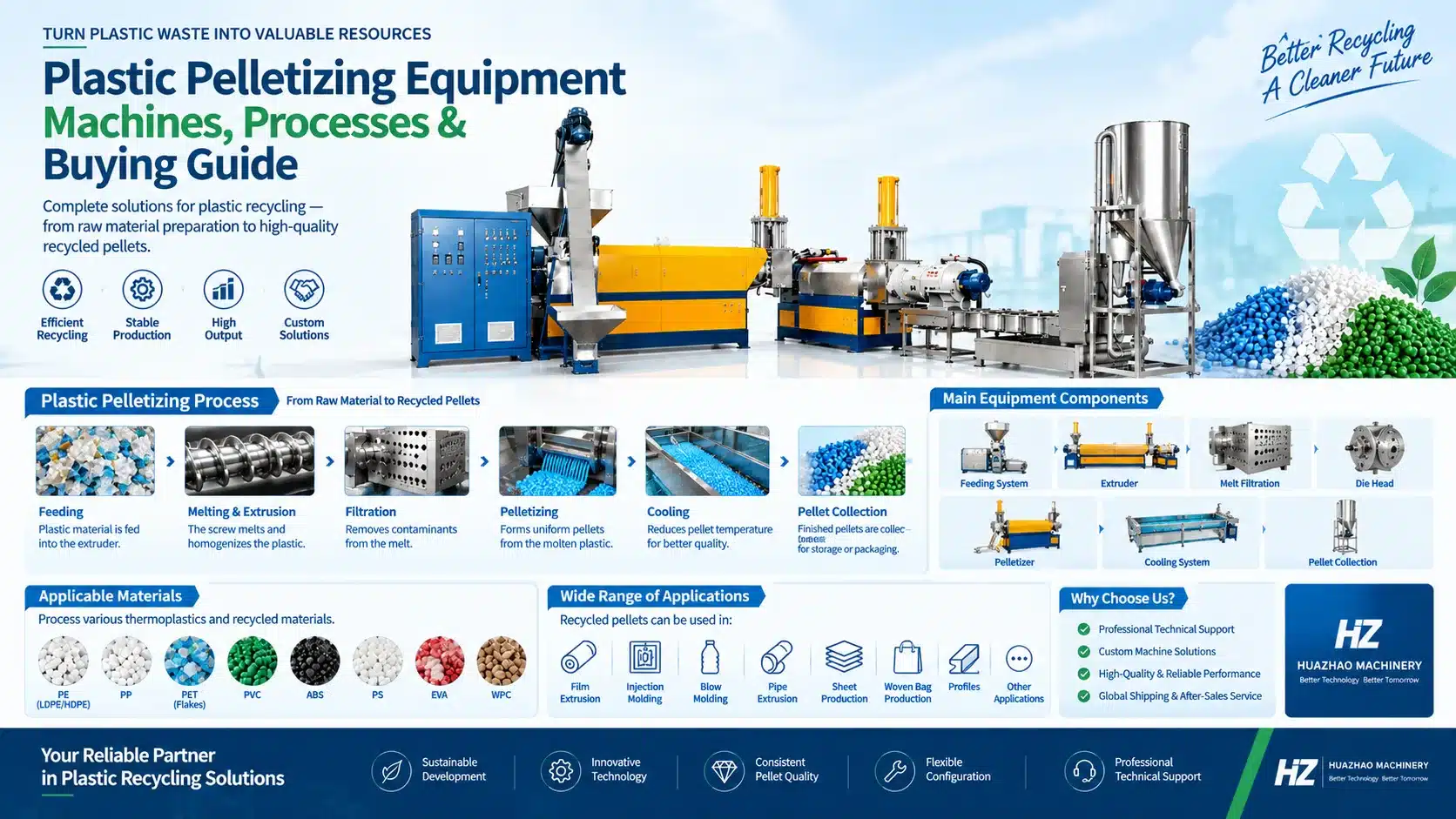
Plastic waste can be recycled into valuable plastic pellets through a properly designed recycling and pelletizing process. A plastic pelletizing machine is one of the key pieces of equipment used to transform clean plastic flakes, film, regrind, or other suitable plastic waste into uniform recycled pellets.
For plastic recycling plants, choosing the right plastic pelletizing machine depends on several factors, including the type of plastic, raw material condition, moisture level, contamination, required capacity, pellet quality, and final application.
This guide explains how a plastic pelletizing machine works, what materials it can process, the main equipment involved, and how to choose a suitable pelletizing system for your recycling project.
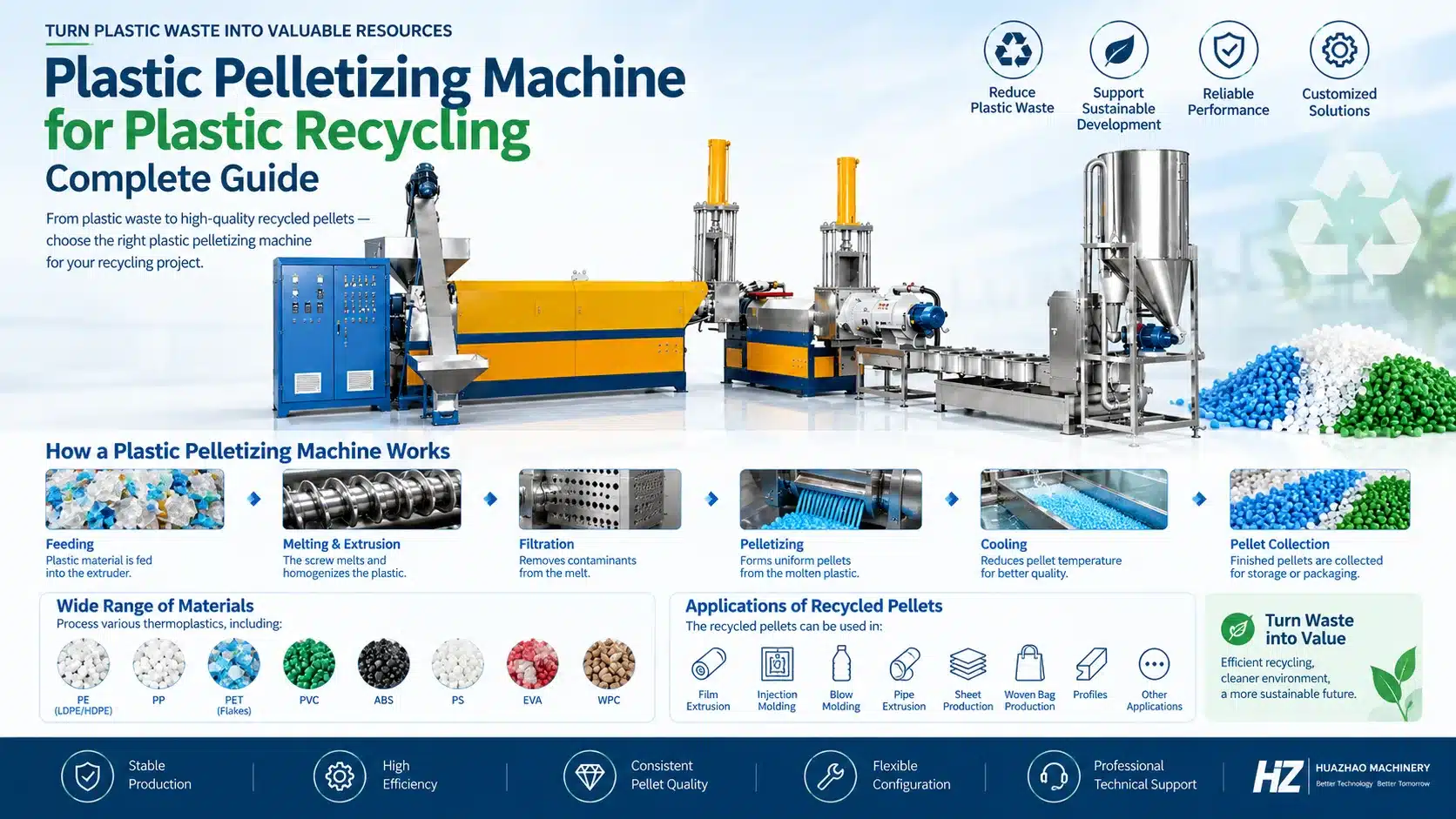
Plastic recycling plants need more than an extruder to turn waste plastic into reusable pellets. A complete plastic pelletizing equipment system may include feeding, extrusion, melt filtration, pelletizing, cooling, and pellet collection equipment, with shredding, washing, and drying equipment added when the raw material requires additional preparation.
Choosing the right equipment depends on the type of plastic, material form, contamination, moisture, required capacity, pellet quality, and final application.
This guide explains the main types of plastic pelletizing equipment, how they work together, and what to consider when selecting equipment for a plastic recycling project.
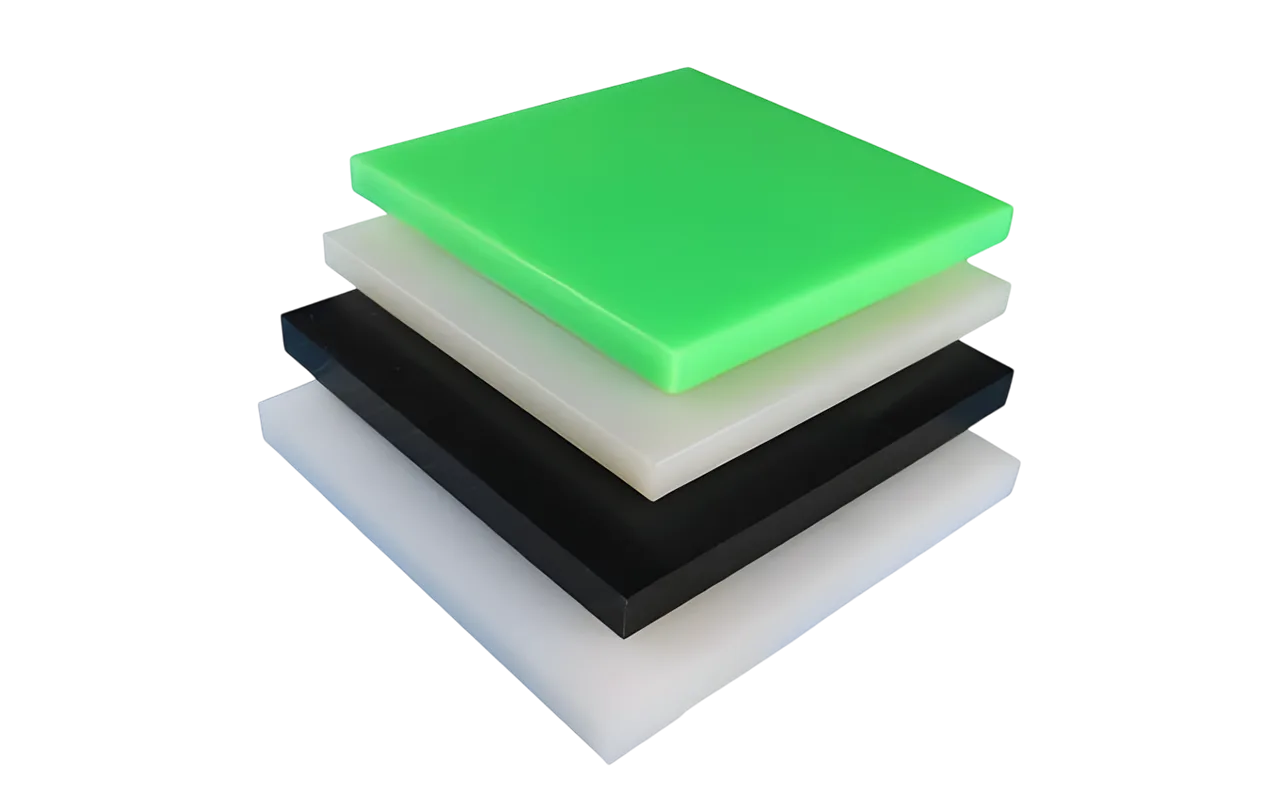
High-Density Polyethylene (HDPE) is one of the most versatile and widely used plastics in the world. Known for its excellent strength, durability, chemical resistance, and cost-effectiveness, HDPE has become an essential material across numerous industries. It is commonly used in the production of bottles, containers, pipes, plastic pallets, crates, household products, industrial packaging, and many other applications.
As global plastic consumption continues to grow, the recycling of HDPE has become increasingly important. Millions of tons of HDPE products reach the end of their service life every year, creating both environmental challenges and valuable recycling opportunities. Unlike many other materials, HDPE can be recycled multiple times and converted into high-quality recycled plastic pellets that can be reused in manufacturing new products.
The HDPE recycling process typically involves collection, sorting, washing, shredding, melting, filtration, extrusion, and pelletizing. Modern HDPE recycling and pelletizing systems help transform post-consumer and post-industrial plastic waste into valuable raw materials while reducing landfill waste and conserving natural resources. Recycled HDPE pellets are widely used in the production of pipes, containers, construction materials, injection-molded products, and various industrial applications.
In this guide, we will explore what HDPE is, its common applications, the differences between HDPE and LDPE, whether HDPE can be recycled, how the HDPE recycling process works, and the equipment required to produce high-quality recycled HDPE pellets efficiently.
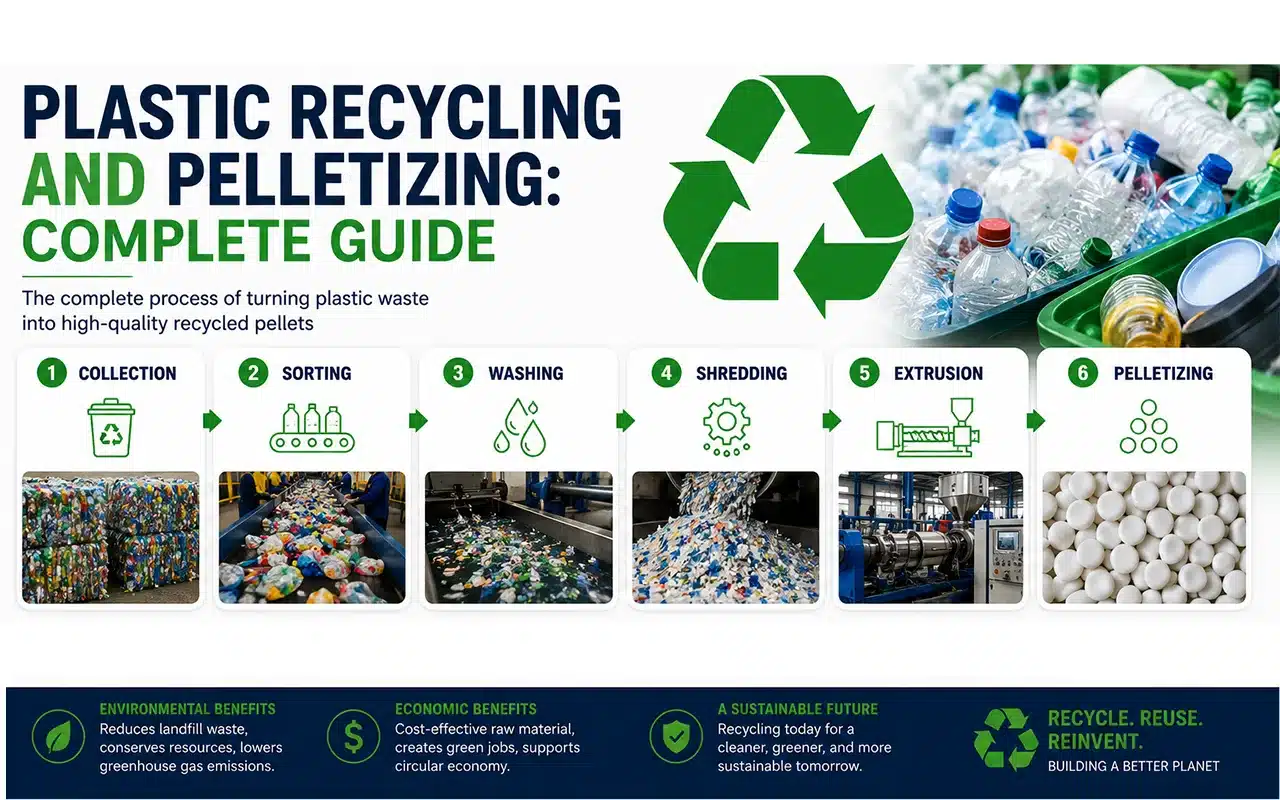
通过将废塑料转化为可重复使用的原材料,塑料回收和造粒在现代塑料制造中发挥着至关重要的作用。通过高效的造粒工艺,回收材料和塑料废料(如聚乙烯薄膜、聚丙烯编织袋和硬质塑料薄片)可转化为高质量的颗粒,用于各种工业应用。现代化的造粒机和造粒系统有助于减少废料,提高生产效率,并增加回收塑料的再利用价值。利用先进的过滤、脱气和切割技术,制造商可以生产出颗粒大小稳定的均匀颗粒,用于挤出、注塑成型和其他塑料制造工艺。.