用于电子废弃物回收的电子废弃物粉碎机
电子废弃物,通常简称为“电子垃圾”,包括废弃的计算机、电器、电子设备、电缆、电路板以及其他报废的电气和电子设备。随着废弃电子产品的数量持续增长,高效的碎料处理已成为现代电子垃圾回收过程中的一道重要环节。.
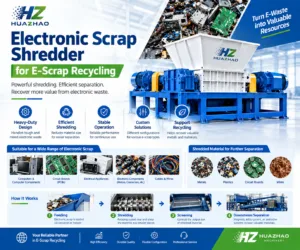
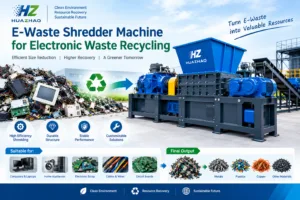
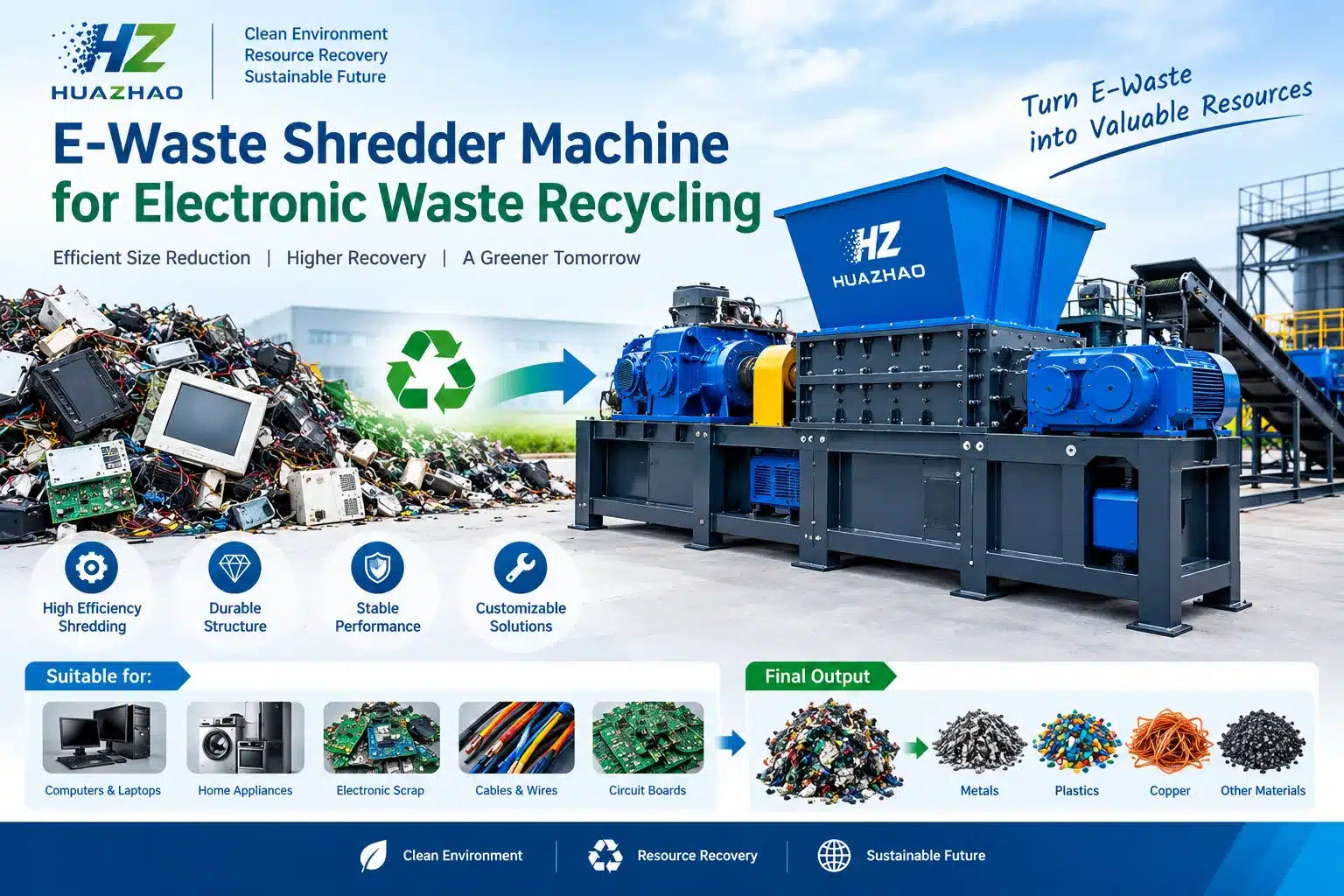
一个 电子废弃物粉碎机 该设备旨在将体积庞大的电子废弃物破碎成更小、更易于处理的碎片,以便进行后续的分拣、分离和材料回收。根据废弃物的类型和状况,该破碎机可与输送机、磁选机、涡电流分离器、分拣系统及其他回收设备集成,从而构建一条完整的电子废弃物处理生产线。.
什么是电子废弃物粉碎机?
一个 电子废弃物粉碎机 这是一种工业粉碎机,用于将废旧电气和电子设备以及电子废料粉碎成更小的颗粒。.
与普通废弃物粉碎机不同,电子废弃物粉碎机需要处理多种混合材料,包括:
塑料
黑色金属
有色金属
铝
铜
电路板
电缆和电线
电子元件
橡胶及其他混合材料
通常,目标并不是在单一步骤中将材料完全粉碎。相反,粉碎机是将电子废弃物处理到适合后续工序的阶段 分拣与物料分离.
所需的粉碎机配置取决于电子废弃物的类型、进料尺寸、所需处理能力、目标输出尺寸以及后续的回收工艺。.
哪些电子废弃物可以进行粉碎处理?
工业电子废弃物粉碎机可用于处理各种废弃的电气和电子产品。.
典型应用包括:
计算机及计算机组件
计算机、机箱、键盘及其他电子元件在经过适当拆解和处理后,即可进行回收处理。.
电器
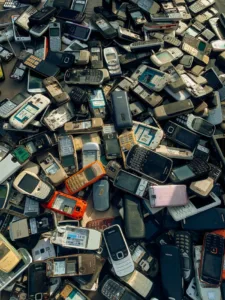
废弃的电器和小家电在进行进一步分类和分离之前,可以先进行体积减小处理。.
电子废料
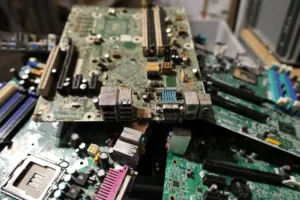
电子废料可能包含塑料外壳、金属部件、电线及其他材料的混合物。粉碎处理有助于形成更均匀的原料,以便进行后续的分离。.
电缆和电线
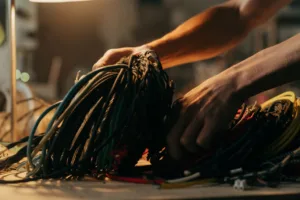
电线电缆也可以在合适的粉碎系统中进行处理。对于需要回收铜的应用,粉碎后可能还需要进行电缆造粒和分离。.
电路板和电子元器件
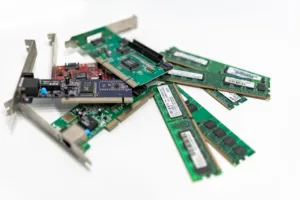
作为专门回收工艺的一部分,可以对电路板和电子元件进行尺寸缩小处理。应根据所需回收的金属及其他材料的种类,选择相应的下游设备。.
电子废弃物粉碎机是如何工作的?
电子废弃物的基本粉碎工艺可分为几个阶段。.
1. 喂养
电子废弃物通过传送带或进料系统被送入粉碎机。.
Large or bulky items may require pre-sorting or dismantling before entering the shredder.
2. Primary Shredding
The material enters the shredding chamber, where rotating cutting tools reduce the size of the e-waste.
A hydraulic pusher can help feed bulky or irregular materials into the rotor when required.
3. Size Control
A screen can be installed below the rotor to control the size of the shredded material.
Material that is larger than the required size can remain inside the shredding chamber until it reaches the appropriate size.
4. Discharge
The shredded material is discharged onto a conveyor for the next stage of processing.
Depending on the recycling objective, the material may then go through magnetic separation, eddy current separation, manual sorting, air separation, or other processes.
E-Waste Shredding and Recycling Process
A typical industrial e-waste recycling system may follow this process:
E-Waste Feeding → Primary Shredding → Magnetic Separation → Non-Ferrous Metal Separation → Sorting → Further Processing
The exact configuration depends on the material.
For example, a mixed electronic waste stream containing ferrous metals, aluminum, copper, and plastics may require several separation stages after shredding.
The purpose of the shredder is therefore to prepare the material for efficient downstream separation, rather than simply making the smallest possible particles.
Why Use a Shredder for E-Waste Recycling?
Reduce Material Size
Large electronic products are difficult to transport, sort, and process efficiently. Shredding reduces their size and creates a more manageable material stream.
Improve Downstream Separation
After shredding, different materials can be separated more efficiently using magnetic, eddy current, air, optical, or manual sorting technologies.
Increase Material Handling Efficiency
Smaller and more uniform material is easier to convey, store, weigh, and process.
Recover Valuable Materials
E-waste may contain valuable metals such as copper and aluminum as well as recyclable plastics. An appropriately designed recycling system can help recover these materials.
Reduce Disposal Volume
Shredding and recycling can reduce the amount of material ultimately sent for disposal and increase the recovery of usable resources.
Single-Shaft vs. Double-Shaft E-Waste Shredder
Different types of shredders can be used for electronic waste.
Single-Shaft Shredder
A single-shaft shredder generally uses a rotating rotor together with fixed knives and a hydraulic pushing system.
It is suitable for applications where controlled output size and relatively consistent particle size are important.
A screen can be used to control the final output size.
Double-Shaft Shredder
A double-shaft shredder uses two counter-rotating shafts equipped with cutting blades.
It is commonly used for bulky, irregular, and difficult-to-handle materials where strong tearing and shearing action are required.
The best choice depends on the material characteristics and the required recycling process.
How to Choose an E-Waste Shredder Machine
Choosing an e-waste shredder should start with the material rather than simply selecting a machine based on motor power.
1. Identify the Type of E-Waste
Tell the equipment supplier exactly what materials you intend to process.
例如:
计算机
电器
Electronic scrap
电路板
电缆
混合电子废弃物
Different materials can require different cutting configurations.
2. Determine the Required Capacity
Capacity is normally expressed in kg/h or tons per hour.
The required capacity depends on:
Daily processing volume
每天的工作时间
Feed material
Bulk density
Required output size
Feeding method
A machine designed for 300 kg/h may not be suitable for a recycling plant requiring several tons per hour.
3. Define the Feed Size
The maximum dimensions of the incoming material are important.
If large appliances or bulky electronic products are being processed, the feeding opening and rotor configuration must be selected accordingly.
4. Define the Required Output Size
The desired particle size determines the type of shredder and screen configuration.
For some applications, the shredder is only the first size-reduction stage. For others, a smaller and more controlled output may be required before separation.
5. Consider the Downstream Equipment
The shredder should not be selected independently from the rest of the recycling line.
例如:
Shredder → Magnetic Separator → Eddy Current Separator → Sorting → Metal/Plastic Recovery
The entire system should be designed around the final material recovery objectives.
E-Waste Shredder Machine for Different Recycling Applications
There is no single e-waste shredder configuration suitable for every type of electronic waste.
电子废弃物回收
For mixed electronic scrap, the system can be designed for size reduction followed by metal and plastic separation.
Computer Recycling
Computer cases and components may require pre-dismantling and controlled shredding before separation.
Cable Recycling
Cable and wire recycling generally requires shredding followed by dedicated copper/plastic separation or granulation equipment.
Mixed E-Waste Recycling
For mixed electronic waste, the recycling system may require several stages of sorting and separation to achieve the desired material purity.
E-Waste Shredder Machine Manufacturer
When selecting an e-waste shredder manufacturer, it is important to evaluate more than the machine itself.
A suitable supplier should be able to understand:
Your feed material
Material composition
Feed size
Required capacity
Target output size
Downstream separation requirements
Available power supply
Factory space
Installation and commissioning requirements
For a complete recycling project, the supplier should also be able to recommend an appropriate process flow rather than simply providing a standalone shredder.
E-Waste Shredding System
For larger recycling projects, an industrial e-waste shredding system can combine several machines into one continuous process.
A typical system may include:
Feeding Conveyor
↓
电子废弃物粉碎机
↓
Magnetic Separator
↓
Eddy Current Separator
↓
Sorting System
↓
Material Collection
Additional equipment can be added depending on the material and recovery target.
The final process should be customized according to the actual composition of the customer’s e-waste.