Table of Contents
This PP film pelletizing line features a 3-stage force feeding system and water-ring pelletizing technology, designed to process lightweight, fluffy PP film waste into recycled plastic pellets. The system supports stable material feeding, efficient extrusion, melt filtration, and uniform pelletizing for continuous plastic recycling operations.
PP PE Film Pelletizing Line for Waste Plastic Recycling
A PP PE film pelletizing line is designed to recycle waste polypropylene (PP) and polyethylene (PE) films into reusable plastic pellets. It is suitable for processing waste packaging films, agricultural films, PP woven bags, jumbo bags, and other flexible plastic materials.
HuaZhao Machinery provides customized PP PE recycling machines for plastic recycling plants, helping convert waste films into recycled pellets for manufacturing applications. Depending on the material condition, moisture content, contamination level, and required output, the production line can be configured with crushing, washing, dewatering, drying, extrusion, filtration, and pelletizing systems.
What Is a PP PE Film Pelletizing Line?
A PP PE film pelletizing line is an integrated recycling system that converts waste plastic films into reusable plastic granules. The process typically includes material preparation, extrusion, melt filtration, and pelletizing.
For dirty or post-consumer plastic films, a washing and drying system may be required before extrusion. For relatively clean production scrap, a direct film pelletizing machine may be sufficient, depending on the material and process requirements.
A properly configured line helps recycling businesses improve material utilization and produce recycled pellets for further processing.
Applications of PP PE Film Pelletizing Machines
HuaZhao’s PP PE film pelletizers can be configured for different types of plastic film waste, including:
PE Films: LDPE packaging films, stretch films, agricultural films, and waste plastic bags.
PP Woven Bags: Woven sacks, rice bags, fertilizer bags, and industrial packaging bags.
Jumbo Bags: Used FIBCs and large PP woven packaging materials.
PP Films: Selected polypropylene film scraps and flexible packaging waste.
Industrial Film Scrap: Production rejects, edge trims, and other recoverable PP and PE film waste.
The final equipment configuration depends on the material’s composition, cleanliness, moisture content, and bulk density.
How Does a Waste Film Pelletizing Line Work?
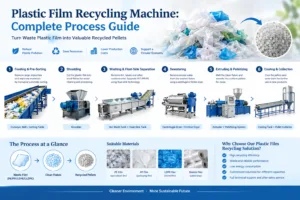
A waste film pelletizing line converts waste PE and PP plastic films into reusable recycled plastic pellets through feeding, extrusion, melt filtration, pelletizing, and cooling. Depending on the condition of the raw material, the feeding system can be configured with a force feeder for pre-shredded films or a crushing and feeding system for whole films.
HuaZhao Machinery provides customized PP PE film pelletizing lines for recycling plastic packaging films, agricultural films, PP woven bags, and other suitable flexible plastic waste. The equipment configuration depends on the raw material, required capacity, and final pellet quality.
1. Feeding System
The feeding system delivers waste plastic film into the extruder continuously and helps maintain stable material feeding. The appropriate feeding method depends on whether the film has already been shredded.
Force Feeding for Shredded Film
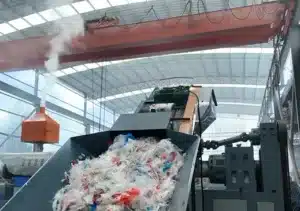
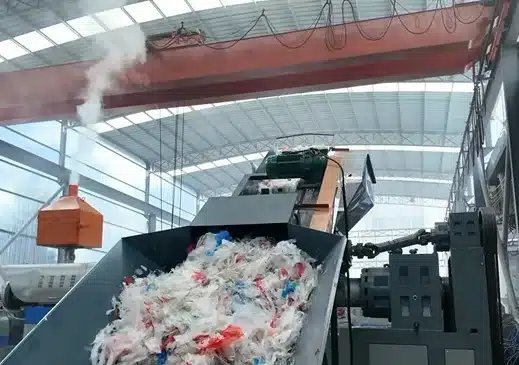
For pre-shredded PE or PP film, a force feeder pushes the lightweight, fluffy material into the extruder. This helps improve feeding stability and reduce feeding interruptions caused by the low bulk density of plastic films.
Crushing and Feeding for Whole Film
For whole or unshredded plastic film, a crushing and feeding system cuts the film into smaller pieces while feeding it into the extruder. This integrated design can reduce the need for separate pre-shredding equipment, depending on the material and line configuration.
Choosing the correct feeding system is important for achieving stable output and continuous operation.
2. Extrusion and Melt Filtration
After feeding, the plastic film enters the extruder, where heat and mechanical shearing melt and homogenize the material.
During extrusion, the plastic is transformed into a uniform melt. A melt filtration system then removes remaining solid contaminants, such as small paper particles and other non-melting impurities, helping improve the quality of the recycled pellets.
The appropriate screw design, heating configuration, and filtration method depend on the type of plastic, contamination level, and required production capacity.
For heavily contaminated post-consumer films, upstream washing and drying may be necessary before pelletizing. These processes are optional additions based on the condition of the incoming material rather than mandatory stages in every pelletizing line.
3. Pelletizing
After melt filtration, the molten plastic enters the pelletizing system, where it is converted into recycled plastic granules.
A PP PE film pelletizer can use a suitable pelletizing method, such as water-ring pelletizing, depending on the material characteristics and production requirements.
The pelletizing system is selected according to the required output, pellet size, material properties, and downstream application. Proper temperature control and stable melt flow help maintain consistent pellet quality.
The finished PP or PE pellets can be used as raw materials for suitable plastic manufacturing processes, depending on their properties and quality.
4. Pellet Cooling and Collection
After pelletizing, the hot plastic pellets are cooled and collected. In a water-ring pelletizing system, the pellets are cooled by circulating water before being separated from the water and transferred for collection.
The collection system can include water separation, pellet conveying, storage bins, or other auxiliary equipment according to the production line configuration.
The finished pellets are then ready for storage, packaging, transportation, or further manufacturing.
How to Choose the Right PP PE Film Pelletizer
When selecting a film pelletizing machine, consider the following factors:
Raw material: LDPE film, HDPE film, PP film, PP woven bags, or mixed plastic film.
Feeding method: Force feeding for pre-shredded film or an integrated crushing and feeding system for whole film.
Material condition: Clean production scrap or contaminated post-consumer plastic waste.
Production capacity: Required throughput in kg/h.
Filtration requirements: The appropriate melt filter depends on the contamination level and desired pellet quality.
Pelletizing method: Select a suitable system according to the material and production requirements.
Final application: Recycled pellet specifications should match the requirements of the intended manufacturing process.
For dirty or wet waste films, a separate washing and drying line may be required before extrusion. For clean, dry film scrap, a more direct pelletizing configuration may be suitable.
Customized PP PE Recycling Machine Solutions
HuaZhao Machinery supplies customized PP PE recycling machines for plastic recycling businesses processing PE films, PP films, woven bags, and other suitable flexible plastic materials.
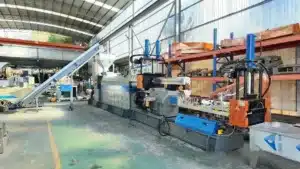
Depending on your raw material and production requirements, the equipment can be configured with a force feeder, crushing and feeding system, extrusion unit, melt filtration system, pelletizer, cooling system, and pellet collection equipment.
Whether you need a standalone PP PE film pelletizer for clean film scrap or a complete waste film pelletizing line for a specific recycling project, the configuration should be determined by your material condition and target output.
Contact HuaZhao Machinery with your raw material photos or videos, target capacity, and required pellet quality. Our team can help you evaluate a suitable film pelletizing solution.
Frequently Asked Questions (FAQ) for B2B Buyers
Q: Can a waste film pelletizing line process both whole film and shredded film?
A:
Yes, provided the feeding system is configured appropriately. Pre-shredded film can use a force feeder, while whole film may require an integrated crushing and feeding system.
Q: Is a washing line necessary before pelletizing?
A:
No. Clean, dry production scrap may be suitable for direct pelletizing. Dirty post-consumer films may require washing and drying to meet the required pellet quality.
Q: What is the difference between a PP PE film pelletizer and a complete waste film pelletizing line?
A:
A PP PE film pelletizer generally refers to the extrusion and pelletizing equipment. A complete waste film pelletizing line includes the necessary feeding, extrusion, filtration, pelletizing, cooling, and collection systems. Additional washing or drying equipment can be included when required.
Q: How can I get a quotation for a PP PE film pelletizing line?
A:
Provide your material type, whether the film is whole or pre-shredded, its moisture and contamination levels, the target capacity in kg/h, and the required pellet quality. HuaZhao Machinery can use these details to recommend an appropriate configuration and prepare a quotation.
Q: Why Is a Force Feeder Used in a PP PE Film Pelletizing Line?
A:
Waste PP and PE films are lightweight, fluffy, and have a low bulk density, making them difficult to feed directly into an extruder at a stable rate. A force feeder uses a mechanical feeding mechanism to push the shredded film into the extruder, helping maintain a continuous and consistent material supply.
The main benefits include:
Improved Feeding Stability: Reduces feeding interruptions caused by lightweight, bulky film materials.
More Consistent Output: Helps maintain a stable feed rate and supports continuous extrusion.
Reduced Material Bridging: Helps prevent shredded films from accumulating or bridging in the feed hopper.
Better Processing Efficiency: Improves the handling of fluffy film materials and supports stable production.
A force feeder is particularly suitable for pre-shredded PE films, PP films, and woven bags. For whole or unshredded films, an integrated crushing and feeding system may be more appropriate, depending on the machine design.
- Plastic Recycling Capacity Calculator: Estimate Daily, Monthly and Yearly Output
- E-Waste Shredder Machine for Electronic Waste Recycling
- How to Choose PP PE Film Granulation Line for New Recyclers
- Plastic Pelletizing Line: Complete Guide to Plastic Recycling
- Single vs. Double Vent Extruder: How to Choose the Right Venting System for Your Plastic Pelletizing Machine
- What is a Plastic Pelletizing Line? | | Complete Guide 2026
- Plastic Pelletizing Machine for Plastic Recycling: Complete Guide 2026
- Trouble-Free Post-Holiday Startup: Essential Tips for Your Plastic Granulator