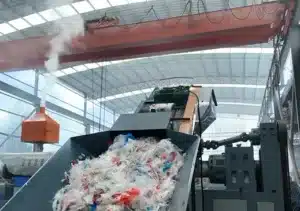
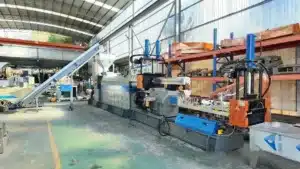
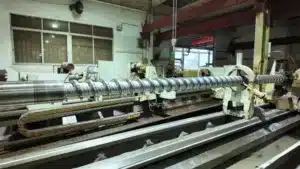
1. Controlled Preheating for Uniform Temperature
Before firing up the machine, always program the barrel heating zones and the die head according to the specific processing requirements of your material (such as PE, PP, etc.). Avoid rushing or using uniform heating methods that can cause localized temperature discrepancies.
- Pro Tip: Once the temperature reaches the set point, let it soak (maintain constant temperature) for at least 30 minutes. This ensures that all components are thoroughly and evenly heated before turning on the drive. This critical step prevents material clogging, screw locking, or thermal degradation caused by insufficient localized heat.

2. Comprehensive Electrical and Mechanical Inspection
Long-term shutdowns mean that electrical systems and moving parts need a thorough health check to eliminate potential hazards:
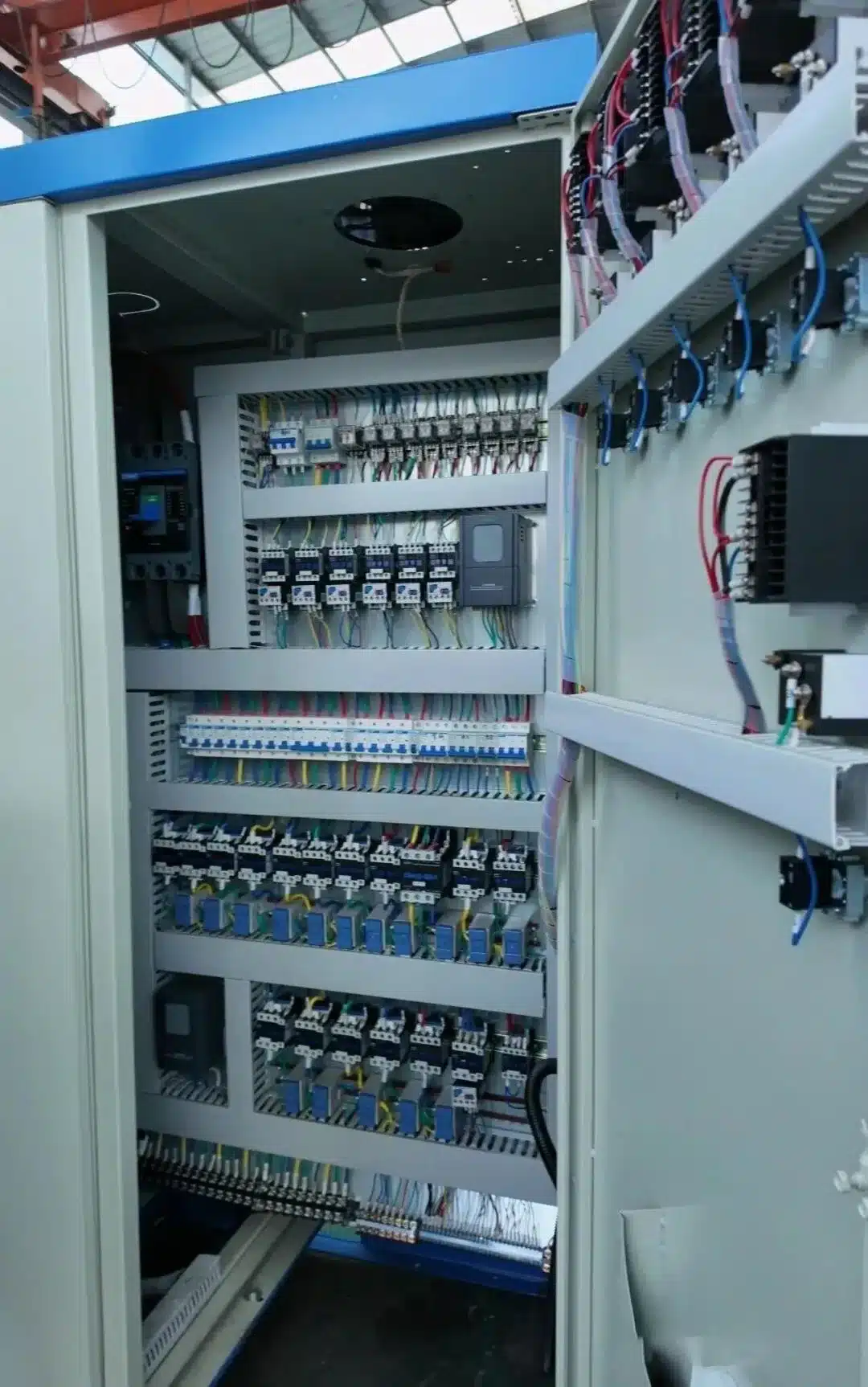
- Electrical System: Inspect all wiring terminals to ensure they are secure and check for any signs of aging, wear, or insulation breakdown. Verify that motor insulation and heating elements are functioning properly to prevent electrical shorts or leakage.
- Mechanical Components: Check the alignment and smooth rotation of the screw and barrel. Look out for any unusual noises in the bearings and replenish the appropriate grades of lubricating oil as recommended.
- Auxiliary Systems: If your line includes vacuum venting, strand cooling tanks, or pelletizing systems, test them in advance to ensure optimal vacuum pressure and zero fluid leakage.
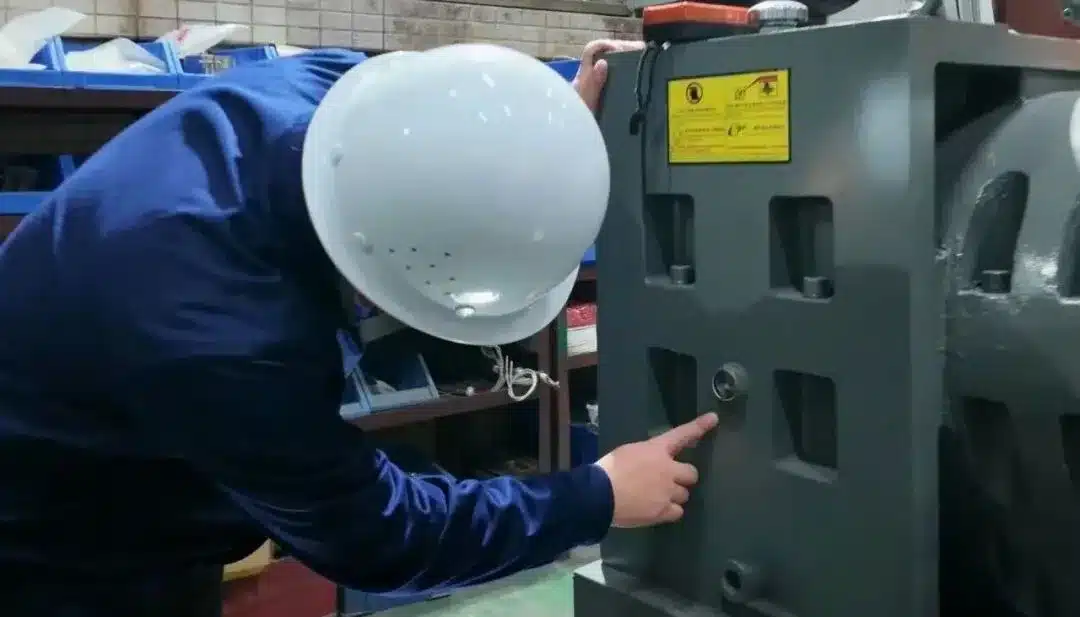
3. Thorough Cleaning to Safeguard Product Quality
Residual materials left inside the machine over the holiday can degrade, oxidize, and compromise the quality of your first batch of new production.
- Clear Residuals: Thoroughly clean out the hopper, barrel, and die head to remove any leftover polymers, carbonized blocks, or foreign debris.
- Replace Screen Packs: It is highly recommended to change the breaker plate screen pack before startup. This clears out old blockages, ensures smooth melt flow, and prevents common defects like black specks, discoloration, or yellowing in your final pellets.
4. No-Load Dry Run for Final Verification
Once preheating, inspections, and cleaning are complete, resist the urge to feed material immediately.
- Switch on auxiliary systems (such as cooling water pumps and feeders) and let them run for about 5 minutes before engaging the main motor.
- Run the machine empty (no-load) for 1 to 3 minutes. Closely monitor whether the equipment operates smoothly without abnormal vibrations or noises, and verify that voltage and current meters show stable readings.
- Only when everything is confirmed normal should you begin feeding material for production. This prevents accidental equipment damage from latent faults.
Conclusion
Taking a meticulous, step-by-step approach to your first startup of the year sets a solid foundation for reliable, year-round productivity. By implementing these four essential checkpoints, you can significantly enhance equipment stability, minimize unplanned downtime, and keep your production schedule running smoothly.
If you have any questions regarding plastic recycling machinery, granulator maintenance, or extrusion techniques, feel free to reach out to our technical support team—we are here to help you power a successful production year!